How Electronic Weighing Scales Work: Load Cells Explained
A simple explanation of load cells, strain gauges and how an electronic scale turns weight into a digital reading, with tips to protect them.
Inside most industrial and commercial scales is a load cell, a metal block that bends very slightly under load. You cannot see it bend, but the scale can measure it.
Strain gauges
Tiny sensors called strain gauges are glued to the load cell. When it bends, their electrical resistance changes slightly. A circuit converts that change into a voltage.
From voltage to weight
An amplifier boosts the signal, an analogue-to-digital converter turns it into a number, and the indicator applies the calibration to show kilograms or grams. Calibration with a known weight tells the scale how much signal means how much weight.
Other types
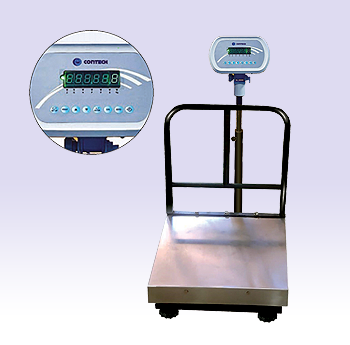
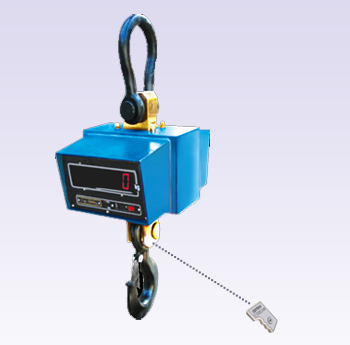
High-resolution lab balances typically use electromagnetic force restoration, which is more sensitive and costs more. Load cells suit platform, pallet, crane and table top scales.
Protecting a load cell
- Do not overload or shock-load it by dropping goods on the platform
- Keep it dry, unless the model is sealed for washdown, see waterproof scales
- Keep the area under it clean and free of debris
- Avoid welding near the scale, current can destroy the sensor
Choosing a scale? Read the platform scale guide or the crane scale guide. If readings misbehave, see the troubleshooting checklist. Ask us if unsure.