Piece Counting Scales: How They Work and Where to Use Them
How a counting scale turns weight into piece count, with tips for accurate counting of nuts, bolts, labels, tablets and small parts.
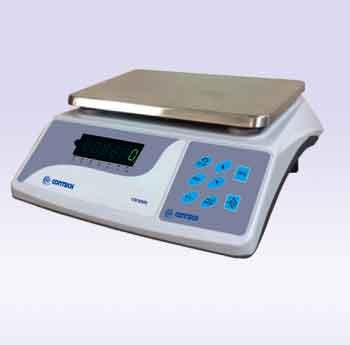
A piece counting scale does not count anything by eye. It weighs a small sample, works out the weight of one piece, then divides the total weight by that.
How to use one
- Place an empty container and press tare.
- Put a known number of pieces on, for example 10 or 20, and enter that number.
- The scale calculates the unit weight.
- Add the rest of the parts and read the count.
For accurate counts
- A bigger sample gives a better unit weight, 20 or 50 pieces is better than 5.
- The pieces must be similar in weight. Parts with large variation give errors.
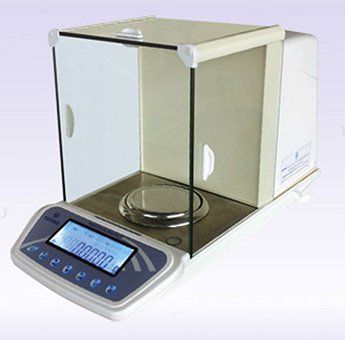
- Choose a readability fine enough for one piece, otherwise the unit weight is rough. See capacity vs readability.
- Re-sample if the batch or supplier changes.
Where it saves time
- Fasteners, washers and small spares in a store
- Packing and dispatch of bulk items
- Labels, tags, bags and cards
- Tablets and capsules in controlled settings
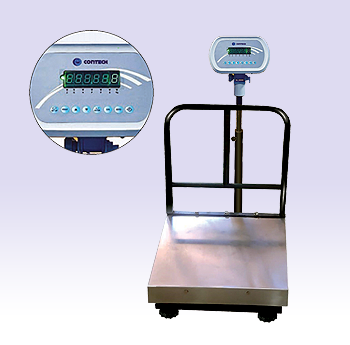
For bigger loads, a platform scale can also count pieces if the indicator has the function. Check the model before you buy. Compare table top scales or ask us on WhatsApp.