Pallet Scales for Warehouses and Dispatch: What to Check
How pallet scales speed up dispatch and receiving, and what to check on capacity, platform size, mobility and indicator before buying.
A pallet scale lets a pallet jack or forklift weigh a load as it moves. No separate weighing step, no wasted time.
Where pallet scales help
- Receiving: check inbound weight against the challan
- Dispatch: confirm outbound weight before it leaves the dock
- Courier and freight: weight-based billing without disputes
- Production: weigh batches without lifting them
What to check
- Capacity: leave a margin above your heaviest pallet, our pallet scales go up to 2 ton.
- Platform size: match your pallet size so the load sits fully on the scale.
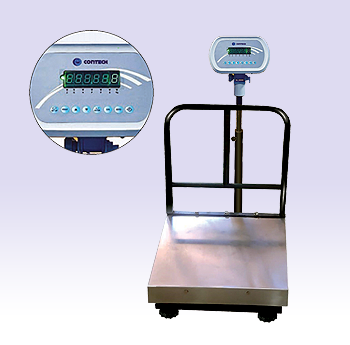
- Mobility: a pallet jack with a built-in scale, or a low-profile platform you drive onto.
- Indicator: tare, clear display and, if needed, printer or software output.
- Floor: a flat surface for platform types; a rough floor affects accuracy.
A small habit that saves money
Weigh a known test load now and then to catch drift early. Large errors across many pallets add up quickly.
If the loads are lighter, a platform scale may be enough. If you lift loads with a hoist, see crane scales. Questions? Call or WhatsApp.