How XRF Gold Purity Testers Work (In Plain Language)
What happens inside an XRF gold analyser, what the detector does, what affects accuracy, and how to get reliable readings on jewellery.
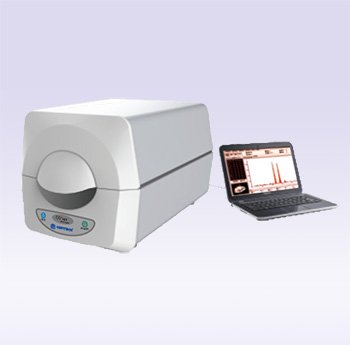
An XRF analyser sends a beam of X-rays onto the metal. The atoms in the metal answer by giving off their own X-rays, each element at its own energy, like a fingerprint. A detector measures those and software works out the percentage of gold, silver, copper, zinc and so on.
Detector types
- Gas proportional detectors: a long-used, cost-effective choice for gold testing, see this model.
- Silicon drift detectors (SDD): better energy resolution and faster, used where higher accuracy is wanted, see CGX-103.
- Handheld units: convenient for testing on the go, see handheld XRF.
What affects the reading
- Surface: it measures only the top layer, so clean the piece and test more than one spot.
- Plating or coating: thick plating hides what is underneath.
- Size and shape: very small or curved items need the right sample position.
- Calibration: check regularly with a reference sample of known purity.
Safety
XRF devices use X-rays. Use them as the manufacturer instructs, keep the cover closed, and follow any local regulatory requirements for X-ray equipment.
Compare it with other methods in XRF vs fire assay vs touchstone. Want a demo or quote? Contact UK Instruments.