Gold Purity Testing: XRF vs Fire Assay vs Touchstone
A fair comparison of the three common gold testing methods: speed, accuracy, whether the item is damaged, and which suits a jeweller, buyer or refiner.
Anyone who buys or sells gold needs a way to check purity. Three methods are used in India, each with trade-offs.
Touchstone (kasauti) and acid
- Fast and cheap, and the item is only scratched.
- Depends heavily on the tester's experience, so results are approximate.
- Not suitable for fine purity grading or for alloys that look similar.
Fire assay (cupellation)
- The reference method for the highest accuracy.
- Destructive: a sample is melted, so you cannot test a finished piece without damaging it.
- Needs a lab, time and skill. Used by refiners and assay houses.
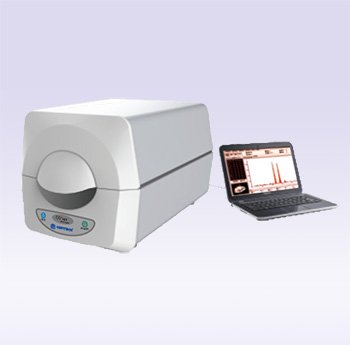
XRF (X-ray fluorescence)
- Non-destructive and quick, a result in about a minute.
- Reads the metal composition on the surface, so thick plating or filled items can mislead. Test several spots or cut a sample when in doubt.
- Good for a jeweller or gold buyer who tests many pieces a day.
Which to choose
For counter-level testing of many items, an XRF analyser gives repeatable results without damaging customer jewellery. For disputes and refining, fire assay stays the reference. Many businesses use XRF day to day and assay for confirmation.
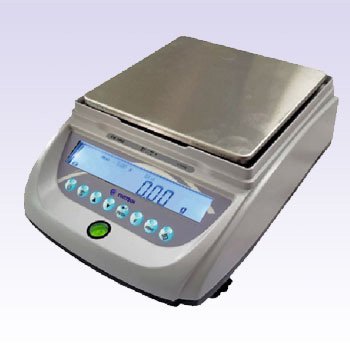
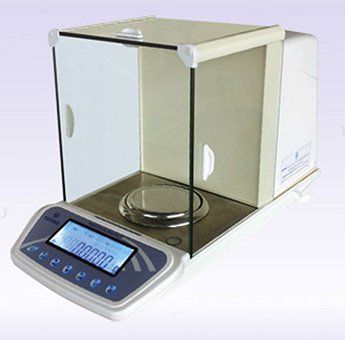
See our gold purity XRF range, and read how XRF works. Pair it with a good jewellery scale. For a demo or quote, call us.