How to Weigh Samples Accurately: Tare, Containers and Technique
Step-by-step weighing technique for lab and workshop balances: taring, containers, handling, weighing by difference and common mistakes to avoid.
Good technique costs nothing and often matters more than the balance itself. Follow this routine for dependable weights.
Before you start
- Check the bubble level and that the pan is clean.
- Let a fine balance warm up, see daily care.
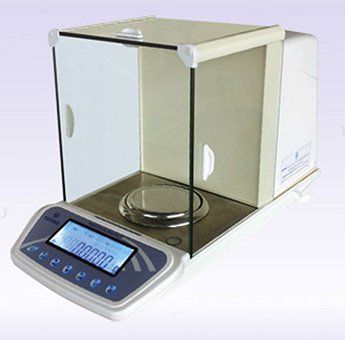
- Close the draft shield doors when reading.
Direct weighing with tare
- Place the empty container on the pan.
- Press tare so the display shows zero.
- Add the sample slowly until you reach the amount.
- Wait for the stability mark, then record the reading.
Weighing by difference
For very small or sensitive samples, weigh the container with the sample, pour out what you need, and weigh again. The difference is the amount transferred. This avoids losses on the weighing paper.
Common mistakes
- Reading before the display settles
- Touching the container with bare fingers, which adds oils and moisture
- Weighing warm or cold samples, which causes drift as they reach room temperature
- Leaning on the bench while the balance is reading
- Using a container that is too heavy for the balance capacity
Placement matters as well, see where to place a balance. If you are choosing between models, read analytical vs precision. Ask us if you need a balance for your lab.