Standard Test Weights: Classes (E2, F1, M1) and How to Use Them
What OIML weight classes E1, E2, F1, F2 and M1 mean, which class to buy for your balance and how to handle and store weights.
Test weights are the yardstick for your balance. Their accuracy class says how closely each one matches its stated mass.
The classes
International recommendation OIML R 111 defines the classes, from most to least accurate: E1, E2, F1, F2, M1, M2, M3.
- E1 and E2: reference weights for high-resolution lab balances and for calibrating other weights
- F1 and F2: common for analytical and precision balances in everyday lab work
- M1 and below: for commercial and industrial scales, such as platform scales
Which should I buy?
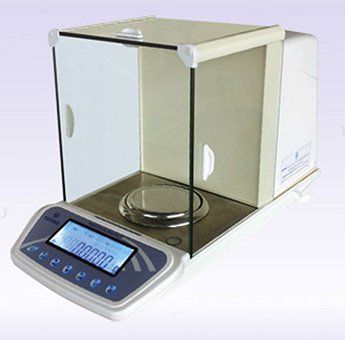
Choose a class whose tolerance is clearly smaller than the tolerance of the balance you check. As a rule, the finer the readability, the higher the class you need. A 0.1 mg analytical balance normally calls for a class like E2 or F1. A 0.1 g balance can use a lower class. If you are unsure, ask us.
Handling
- Use forceps or gloves, never bare hands
- Keep weights in their case, away from dust and moisture
- Never clean with abrasives
- Avoid dropping or scratching them
Re-certification
Weights drift slowly with wear and contamination. Have them re-calibrated at an accredited lab on a regular interval for your quality system.
Use them as in the calibration guide. See also our standard weights range and contact us.